


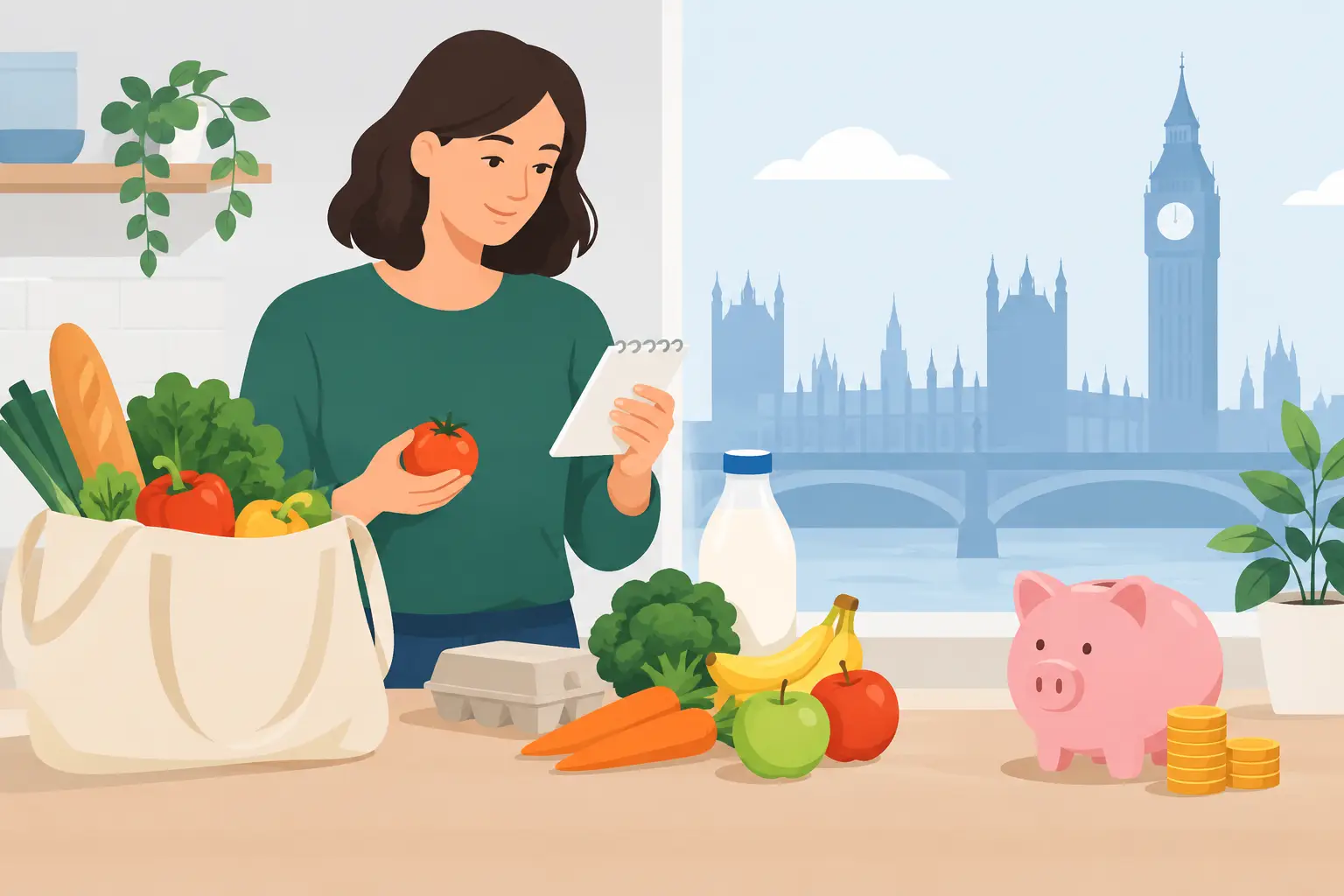
A weekly shop can become expensive long before you reach the checkout. A few convenience items, a multibuy offer that is not actually useful, or buying the same product at a higher-priced supermarket can add £10, £20 or more to the total. To reduce weekly food spending, focus on the decisions you repeat every week: what you plan, where you buy it and what you use before it goes off.
The aim is not to fill your cupboards with the cheapest possible food. It is to spend less on the groceries your household genuinely eats, without creating extra journeys, waste or hassle.
Start with a realistic weekly food budget
A budget only works when it reflects your actual routine. Look at the last four weeks of food spending, including the main shop, top-up shops, lunches bought while out and delivery fees. Divide the total by four to find your usual weekly figure.
Then set a reduction target that is manageable. Cutting £10 from a £100 weekly shop is often more sustainable than trying to halve it overnight. A smaller target gives you room to test changes and see which ones work for your household.
Keep food and non-food items separate where possible. Cleaning products, toiletries, nappies and pet food can make a grocery receipt look much higher, but they are not always weekly costs. Knowing what you spend on meals alone makes it easier to spot progress.
Plan meals around food you already have
The lowest-cost meal is often the one you can make without another trip to the shops. Before writing a list, check the fridge, freezer and cupboards. Look for open packets, vegetables that need using, frozen meat or fish, tins, rice, pasta and leftovers.
Build several meals around those ingredients first. A pack of chicken can cover a roast, wraps and a stir-fry if it is planned properly. Vegetables nearing their use-by date can become soup, curry, pasta sauce or an omelette. This approach reduces waste and stops you buying duplicate items because they were out of sight.
Be honest about busy evenings. A plan that assumes you will cook from scratch every night may lead to a costly takeaway by Wednesday. Include quick meals you will realistically make, such as jacket potatoes with beans, pasta with a simple sauce, eggs on toast or freezer portions from a previous cook.
Use a short, flexible meal plan
Plan five or six evening meals rather than assigning a different meal to every day. That gives you flexibility if plans change, leftovers appear or a fresh ingredient needs using sooner than expected.
Choose meals with overlapping ingredients. If one recipe needs spinach, another should use the rest of the bag. If you buy a block of cheese, plan more than one meal that uses it. This is more effective than choosing seven unrelated recipes with long ingredient lists.
Compare prices before choosing where to shop
Supermarkets do not have one fixed position as the cheapest for every basket. One may be better for cupboard staples, another for branded products, and another for fresh produce that week. Prices and promotions change, so shopping by habit can cost more than shopping by comparison.
Compare the products you buy regularly before leaving home. Check like for like: the same pack size, flavour and quantity, or the price per 100g, litre or item where sizes differ. A larger pack is only better value if you will use it before it spoils.
PricePAL Compare can help you compare grocery prices and scan barcodes while shopping, so you can check whether the product in front of you is genuinely the best-priced option. This is particularly useful for repeat purchases such as coffee, cereal, washing-up liquid and packed-lunch staples, where a small difference adds up across the year.
Do not let a cheap item create an expensive journey
A lower price is not always a saving if it requires a long drive, extra parking or a special trip. Factor in fuel, time and the risk of buying more while you are there. Combining food shopping with another planned journey may make sense; travelling across town for one discounted item usually does not.
If you drive to shop, compare fuel prices too. Saving a few pence per litre will not transform one fill-up, but it can protect the savings you have made on your food shop over the month.
Shop with a list and a clear rule for offers
A list is not restrictive. It is a decision made before hunger, tiredness and shelf displays start influencing the basket. Write the list from your meal plan, then add breakfast, lunch and snack items your household reliably uses.
Leave a small amount of room in the budget for a genuine bargain or an unexpected need. Without that flexibility, it is easier to abandon the plan entirely when something changes.
Offers deserve a simple rule: buy them only when you would have bought the item anyway, can afford it now and will use it in time. A two-for-one deal on food that is thrown away is not a saving. Neither is adding items simply to reach a minimum spend or qualify for a voucher.
Be especially careful with loyalty prices. They can be worthwhile on products already on your list, but they are designed to encourage extra purchases too. Check the final basket total, not the size of the discount label.
Choose own-brand selectively, not blindly
Own-brand products are often one of the fastest ways to cut a weekly bill, especially for basics such as pasta, tinned tomatoes, flour, oats, frozen vegetables, baked beans and household cleaning products. The quality can be comparable, and the saving is usually repeatable.
However, swapping every favourite at once can backfire if nobody eats the replacement. Try one or two changes each week. If the lower-cost version works, make it your regular buy. If it does not, return to the preferred product and look for savings elsewhere.
For branded goods, check the unit price and wait for a good offer if the item stores well. This works for toiletries and cupboard food, but not for buying excessive quantities of perishable items. Stocking up should reduce future spending, not fill the bin.
Make the freezer part of your plan
Your freezer can prevent both waste and emergency spending. Freeze bread, grated cheese, leftover portions, ripe fruit and meat you will not use by its date. Label portions with what they are and when they went in, otherwise they become unidentified frozen blocks that never get used.
Batch cooking can help, but only if you cook meals your household likes. Make an extra two portions of a curry, chilli, stew or pasta bake rather than spending an entire Sunday preparing ten unfamiliar meals. Those portions become an easy alternative to a midweek takeaway or a last-minute convenience shop.
Frozen fruit and vegetables are also worth considering. They are often cheaper per usable portion, keep for longer and allow you to take out only what you need. Fresh produce is still useful, especially when it is in season or on offer, but buying it in realistic quantities matters more than buying it with good intentions.
Reduce the cost of lunch, snacks and top-up shops
The main weekly shop gets attention, but smaller purchases often cause the budget to drift. A meal deal, coffee, bakery item or quick stop at a convenience store can be reasonable occasionally. When it becomes routine, it can cost more than several home-prepared meals.
Prepare simple lunches and snacks alongside your main shop. Keep options that are easy to grab: fruit, yoghurt, oats, sandwiches, leftovers, crackers or portioned nuts. The goal is not perfect meal prep. It is having a cheaper option available before you are hungry and short on time.
Try setting one top-up rule, such as buying only milk, bread and urgent fresh items between main shops. This limits the chance of turning a £3 visit into a £25 basket of unplanned purchases.
Review one receipt every week
You do not need a complicated spreadsheet to improve your food spending. Once a week, look at your receipt and identify three things: items that were not planned, items that were wasted, and products that cost more than expected.
Use that information on the next shop. Perhaps a multipack was unnecessary, a particular supermarket was expensive for your usual cereal, or too much fresh salad was bought. One small adjustment each week is easier to maintain than a complete reset.
The most reliable savings come from a routine you can repeat: plan from what you have, compare prices, buy with purpose and use what enters your kitchen. Keep the process simple enough to do every week, and your food budget starts working for you rather than against you.